Foods
Manila is a city that embraces food in all of its lively forms. Manila's food scene is as diverse as its culture, with lively street corners selling tasty delights and luxury dining establishments serving inventive Filipino cuisine. Whether you're seeking authentic native cuisine like adobo, sinigang, and lechon or want to experience the vibrant street food culture, Manila is a foodie's paradise.


Highlight the best places to eat in Manila, offering both traditional and modern takes on Filipino flavors.

No meal is complete without a sweet treat! Discover Manila's best-loved desserts and the hidden gem of Manila
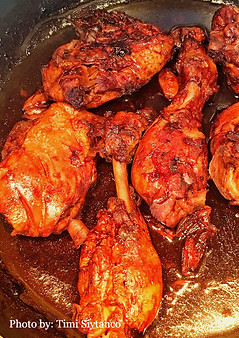
Adobo
The Heart of Filipino Cusine
Adobo, a braise of vinegar, soy sauce, garlic, black peppercorns, and bay leaves, is a quintessential Filipino dish that traces its roots to the Tagalog people and their early settlements along Manila Bay. Named by the Spanish as "adobo de los naturales," it reflects the Philippines' rich culinary heritage and regional variations, with every household adding its own twist to the recipe. From chicken and pork to squid and vegetables, adobo is a comforting, adaptable dish that holds deep cultural significance and remains a beloved, nostalgic favorite across the country.
Pancit
Noodles of Luck, Flavor and Tradition
Pancit is a popular Filipino dish made of stir-fried noodles with meat and vegetables, commonly served at feasts and celebrations. Originating from Chinese cuisine, the name comes from the Hokkien phrase pian i sit, meaning "something convenient, cooked fast." Over time, pancit evolved into a signature Filipino dish with various regional variations, including pancit canton made with egg noodles and pancit bihon made with rice noodles.

Kare Kare
A Rich Taste of Filipino Tradition
Kare-kare is a traditional Filipino stew made with meat such as tripe, pork leg, ox tail, or chicken, paired with vegetables and a rich, savory peanut sauce flavored with annatto seeds. Often served with shrimp paste (bagoong) on the side, this dish is traditionally cooked in a clay pot called palayok and is a staple at many Filipino celebrations. While its origins are debated—some trace it to Pampanga, others to Indian influence—the dish remains a beloved part of Filipino cuisine, often enjoyed during festive occasions.

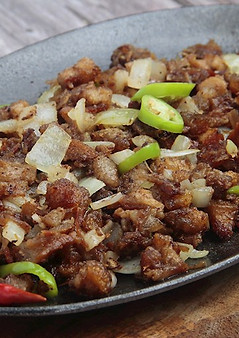
Sisig
Sizzling with Flavor, Steeped in Tradition
Sisig is a flavorful Filipino dish made from finely chopped pig’s head (often including the cheeks, ears, and snout) and other parts, which are seasoned with calamansi (Filipino lime), vinegar, soy sauce, onions, and chili peppers. The dish is traditionally served sizzling on a hot plate, often topped with a raw egg to add richness. Originally from Pampanga, sisig has become a beloved bar food and comfort dish, celebrated for its savory, tangy, and spicy flavors, and is often enjoyed with rice and cold drinks.

Ilustrado Restaurant, located in the heart of historic Intramuros, Manila, offers a romantic setting with antique decor and lush surroundings, making it a popular choice for tourists and weddings. The menu features a fusion of Spanish, Filipino, and global cuisines, including traditional dishes like callos madrilena and jamon serrano, alongside favorites like Caesar salad and Canadian maple-glazed baby back ribs.
Illustrado Restaurant

Halo-Halo, which means "mix-mix" in Tagalog, perfectly captures the essence of this playful Filipino dessert, encouraging you to combine a variety of flavors and textures. Typically made with shaved ice, canned jackfruit, sweetened adzuki and white kidney beans, evaporated milk, and ice cream, each version is unique based on personal preferences. For a more vibrant and flavorful twist, try swapping the vanilla ice cream for ube ice cream, adding both color and a distinct taste to this delightful treat.


